Florida (QNN)- Any company boycotting Israel will be banned from doing business with the state of Florida, US Representative Randy Fine said early Tuesday, responding to reports that Britain is considering a ban on trade with illegal Israeli settlements in the occupied West Bank amid a spike in Israeli violence against Palestinians.
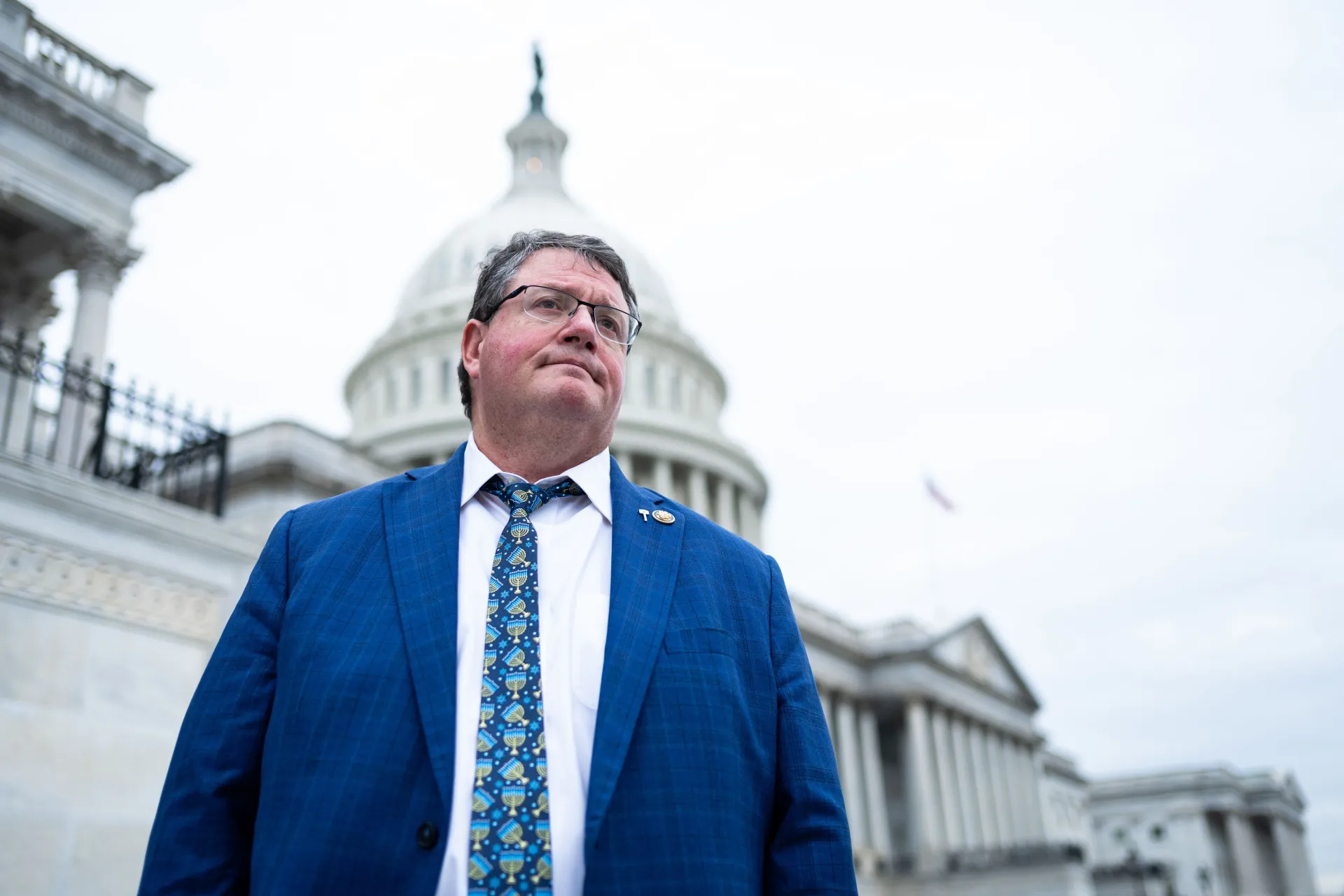
"Florida is one of Britain's largest trading partners," Fine, a Florida Republican, said on X.
“They should understand that their vanity project in support of Muslim terror could cost them billions of dollars."
According to Fine, under state legislation he helped pass, any British business complying with the trade ban would be barred from conducting business with state and local governments.
“For those who doubt the power of this policy, it was this same law that broke Airbnb's misguided effort to boycott portions of Israel in 2019," Fine added.
Airbnb scrapped its plan to remove listings in Israeli West Bank settlements in 2019 after lawsuits were filed against it in the US and Israel.
Fine, a staunch ally of US President Donald Trump, is known for his extreme racism and anti-Palestinian rhetoric. In February, he pledged to recognize Israeli sovereignty over both Gaza and the West Bank if elected. He also vowed to expel native Palestinians from what he called “the State of Israel.”
According to reports, the United Kingdom is set to announce a ban on trade with Israel's illegal settlements in the occupied West Bank, pressing ahead with the measure even after Israel openly threatened to retaliate against Britain if it went through with it.
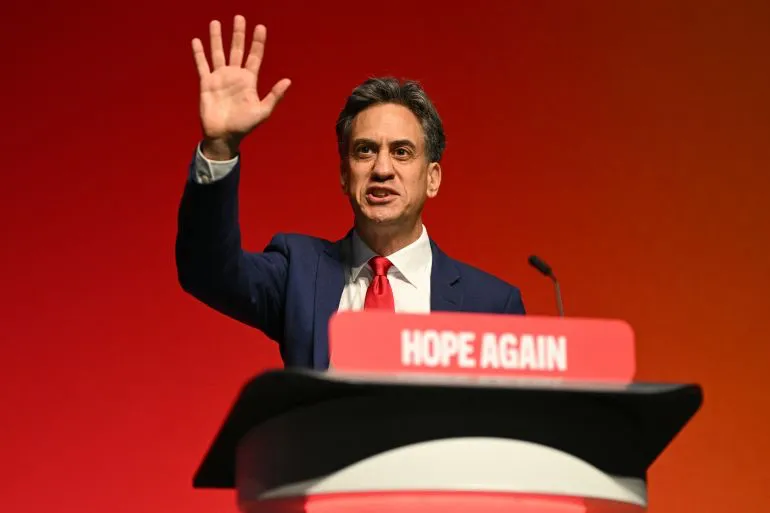
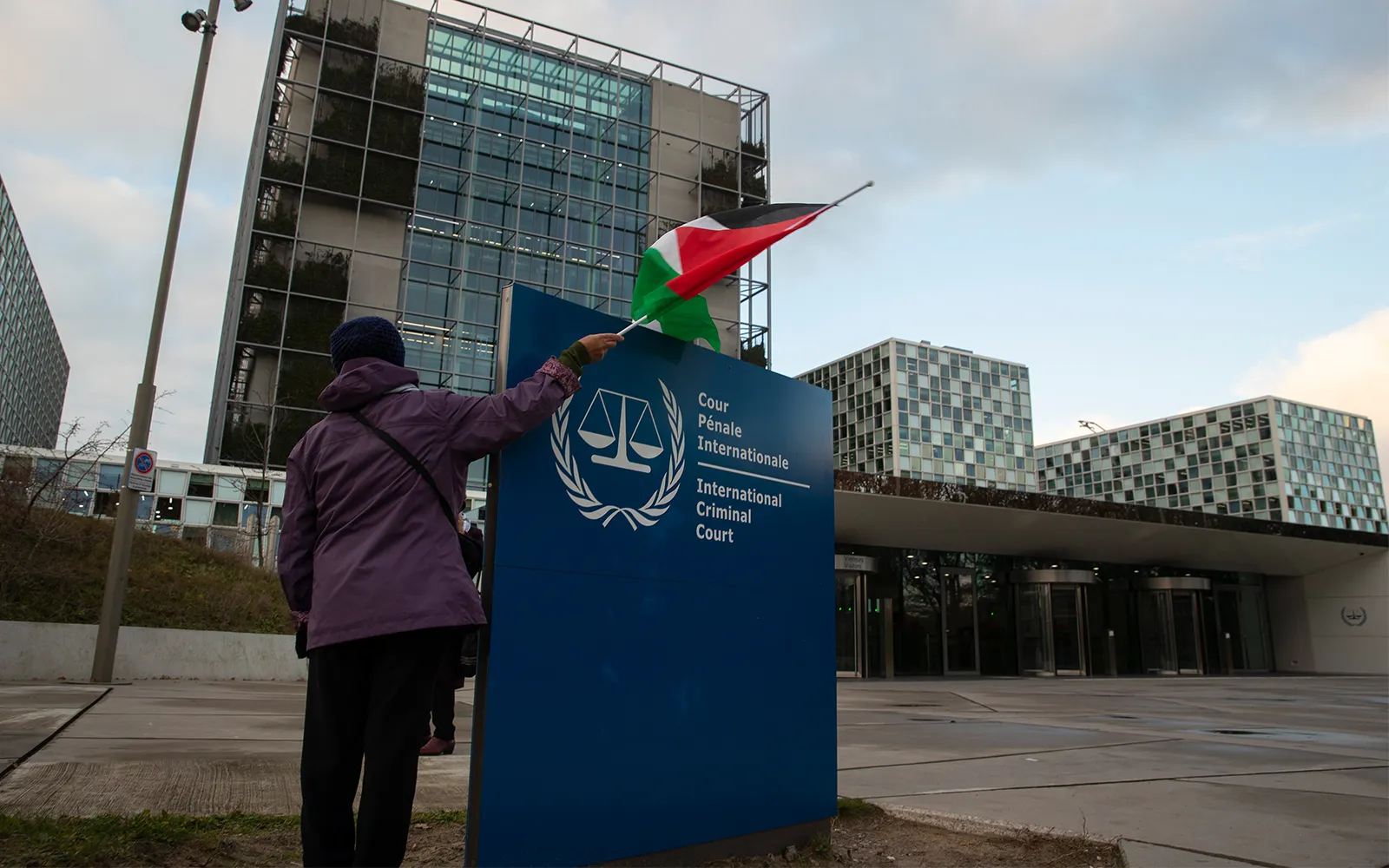
British Foreign Secretary Ed Miliband is expected to announce the ban on Tuesday, with the new measures set to prohibit any investment in illegal Israeli settlement businesses. Whitehall sources said the ban is intended to bring the UK into compliance with the International Court of Justice's advisory opinion of July 2024, which declared Israel's occupation of Palestinian territory unlawful and obligated states, including Britain, to take steps to oppose it and to refrain from aiding or assisting in maintaining it.
The UN's special rapporteur on the occupied territories, Francesca Albanese, said all states carry an obligation, not a preference, not to recognize the occupation as legal and not to render aid or assistance in maintaining it, and that a settlement trade ban must be part of a genuine shift toward implementing the ICJ opinion.
Rights advocates have pressed the same case: the Labour Muslim Network and the International Centre of Justice for Palestinians published a legal briefing urging a full ban on British citizens and businesses engaging in economic activity in the illegal settlements, noting that under Common Article 1 of the Geneva Conventions the UK is bound not only to respect international humanitarian law but to ensure respect for it.
The measure comes as Israel's E1 settlement project east of occupied Jerusalem threatens to cut the occupied West Bank in two and destroy any prospect of a contiguous Palestinian state, the very scheme that galvanized European governments into promising action.
Crucially, Britain is moving ahead in the face of a direct Israeli threat. Last week, the Israeli government warned it would retaliate against Britain over the expected measures, with Foreign Minister Gideon Saar declaring bluntly, "If Britain acts against Israel, Israel will act against Britain."
Israel has reportedly warned that it could expel British representatives from the international Gaza monitoring center at Kiryat Gat, and has already moved to expel Dutch representatives from the same center after the Netherlands passed its own settlement trade ban. Yet despite the threats, the British Foreign Office is understood to be pressing ahead and preparing to announce the sanctions on Tuesday, signaling that London, at least on this measure, will not be deterred.
The ban, if announced as expected, would mark one of the more concrete European measures against Israel's settlement enterprise, moving beyond the statements of condemnation that have long substituted for action. It follows the pattern of a small but growing number of European states, from Ireland to the Netherlands to Luxembourg, that have begun to translate their stated opposition to the illegal settlements into steps with real cost, in defiance of Israeli pressure and threats.