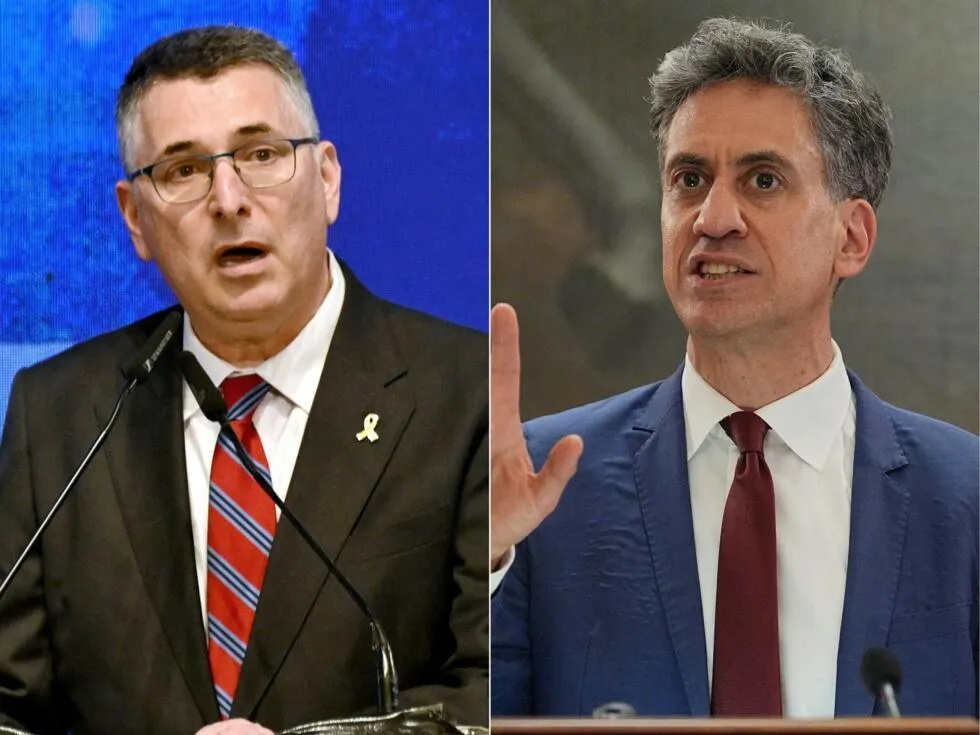
Britain, France, and Canada announced a coordinated ban on the import of goods from Israel's illegal settlements in the occupied West Bank on Tuesday, in what was presented as a landmark move against Israel's colonization of Palestinian land. But behind the scenes, British diplomats were quietly telling the United States a very different story: that the sanctions are largely symbolic and will have no material impact on Britain's wider relationship with Israel on trade or security.
According to a Bloomberg report published hours before the announcement, UK officials, anxious that the measures might damage Prime Minister Andy Burnham's relationship with US President Donald Trump, privately reassured the Trump administration that the sanctions carry no real weight. Burnham even telephoned Trump the day before to give him advance notice, with Downing Street framing the call as a discussion of the two-state solution. The message to Washington was unambiguous: this is for domestic show, not a genuine rupture with Israel.
The numbers bear the diplomats out. The ban targets only goods produced in the West Bank settlements, a minuscule fraction of the roughly 8 billion dollars in annual trade between Britain and Israel, and officials concede it remains unclear how the UK will even distinguish settlement goods from products made inside Israel. The top British exports to Israel are pharmaceuticals, and the top imports fruit and vegetables, none of which the settlement ban touches. By the British government's own private admission, the measure changes nothing of substance between the two in economic or military relationship.
That is the crux of the matter. Sanctions on Israeli settlements and settlers are not new. Britain, the European Union, and the United States have all imposed various settlement-related sanctions over the years, freezing the assets of individual settlers and warning companies away from settlement business, and none of it has deterred Israel in the slightest. Throughout, the settlements have only expanded, settler violence has surged to record levels, and Israel has pressed ahead with the E1 project that would sever the occupied West Bank in two. A ban that Britain itself describes privately as symbolic joins a long list of gestures that allow Western governments to appear to act while the colonization they claim to oppose accelerates unchecked.
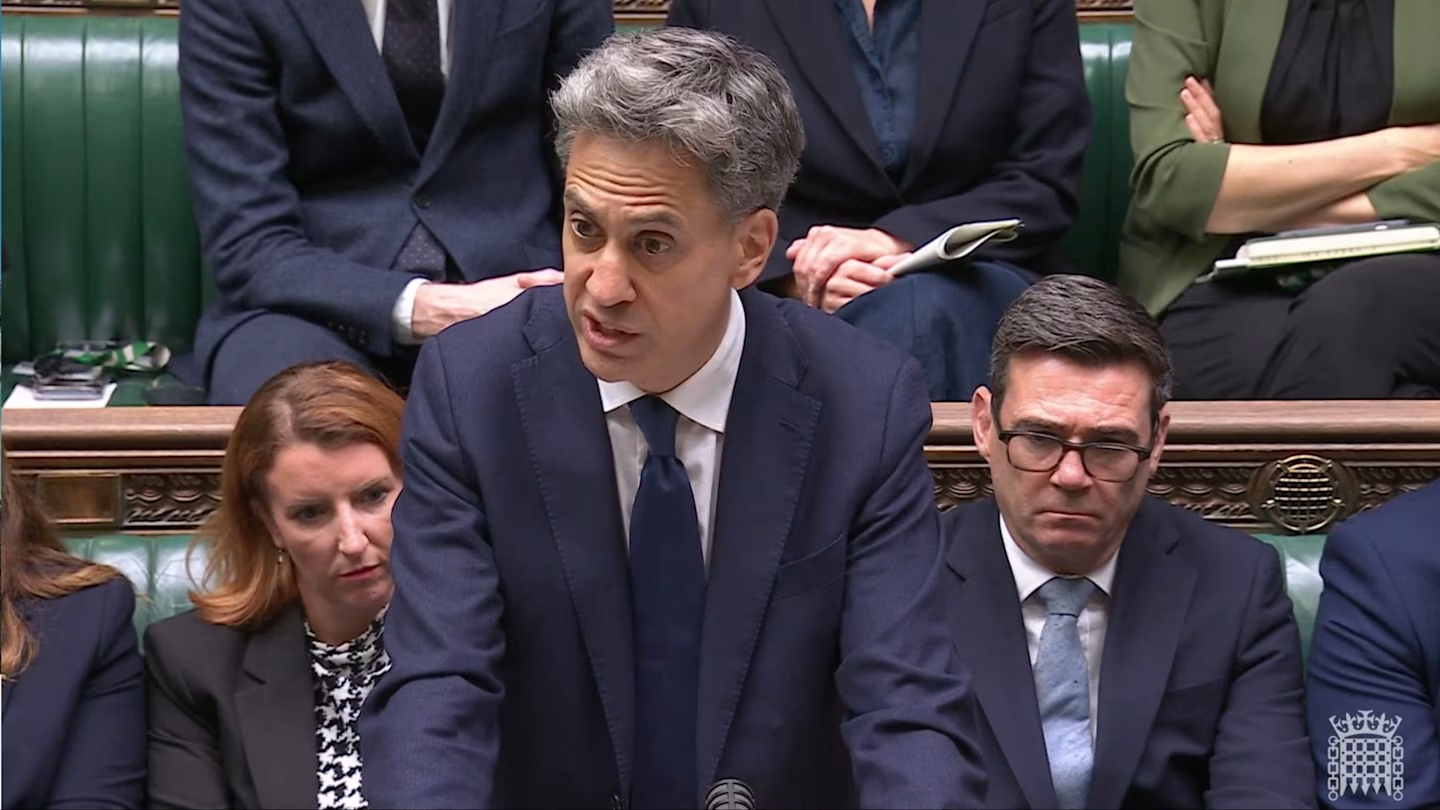
The announcement was nonetheless dressed in strong language. Foreign Secretary Ed Miliband told the House of Commons that Britain could no longer be a bystander to the suffering and the destruction of the two-state solution, said London now regards the occupation as unlawful, and stated that ethnic cleansing of Palestinians is taking place in the West Bank. He said the package would also sanction individuals and companies facilitating settlement expansion and refuse licenses for exports that materially support the occupation, with France and Canada imposing their own import bans and a wider group of countries pledging to follow.
Israel, for its part, reacted with fury out of all proportion to what Britain privately calls a symbolic step. Finance Minister Bezalel Smotrich demanded the expulsion of the British ambassador, while National Security Minister Itamar Ben-Gvir called on Netanyahu to shut the British Consulate in occupied Jerusalem, which serves Palestinians. The theatrical Israeli outrage, met by a measure Britain insists will change nothing, suits both governments.