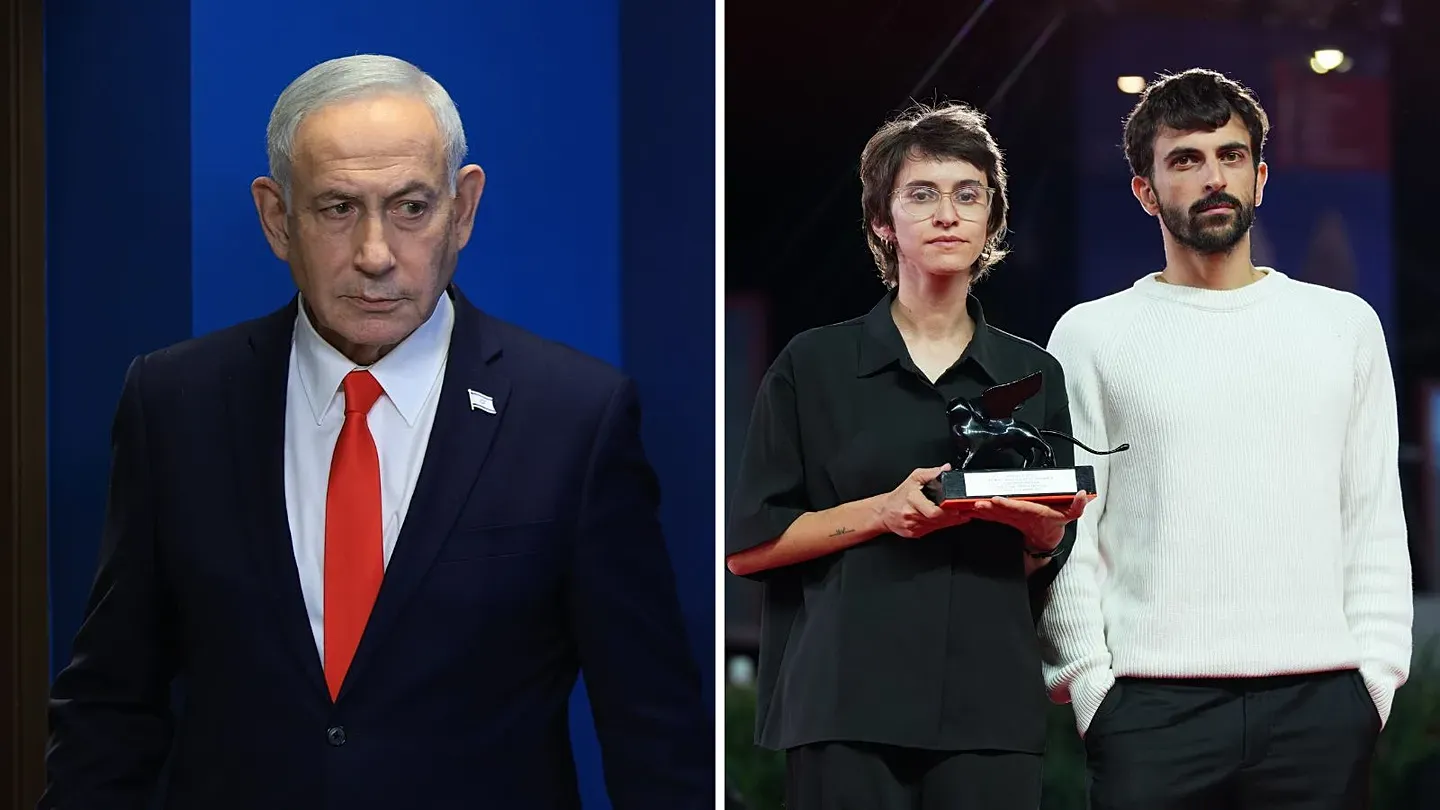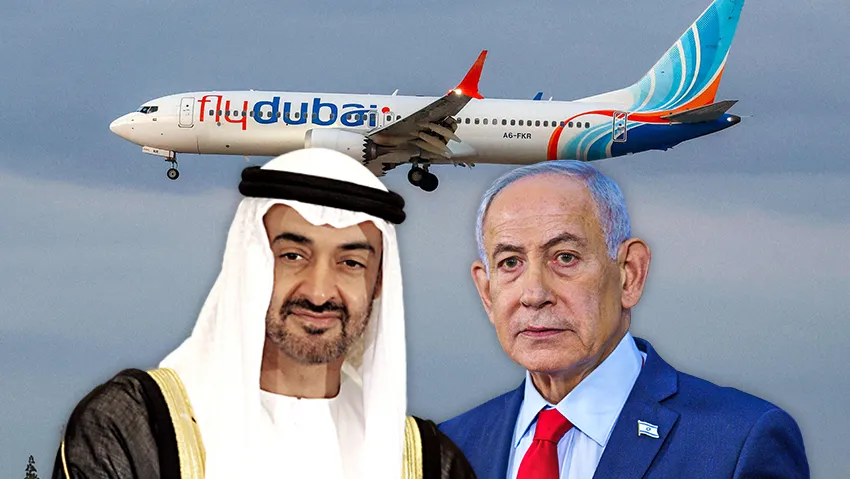
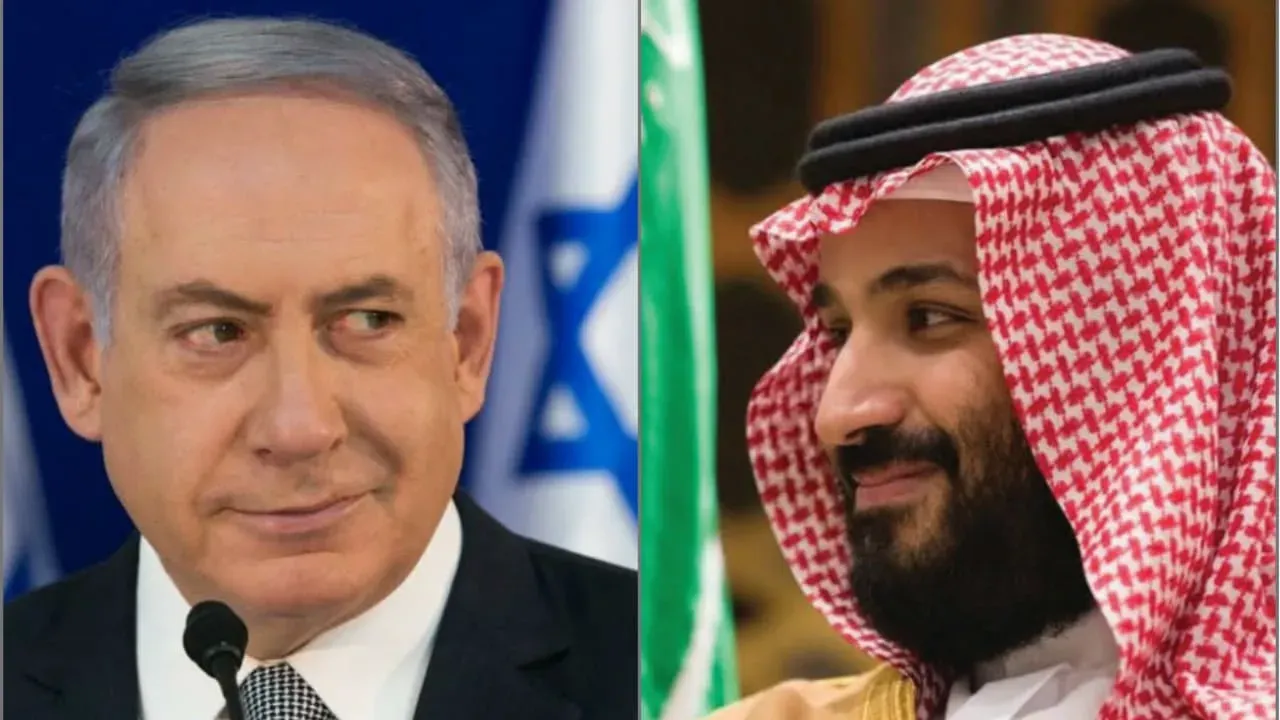
Prime Minister Benjamin Netanyahu has offered Israel's military services to Gulf states and expressed willingness to participate in a comprehensive war against Ansar Allah, the Houthi movement in Yemen, according to reporting by the Lebanese newspaper Al-Akhbar citing US diplomatic sources, as Israeli media separately confirmed that Saudi Arabia had made an indirect request for Israeli assistance through US Central Command.
The offer, as reported by Al-Akhbar editor Ibrahim al-Amin, was conveyed to Arabian Peninsula states and came alongside Netanyahu pressing Israel's security establishment to prepare for possible action against Iran and Hezbollah. The proposed Israeli role was framed as part of a wider regional effort to counter the Houthi advance along Yemen's western coast, particularly following the movement's seizure of the strategic port of Mocha and its capture of Mayyun Island in the Bab al-Mandeb strait, the narrow waterway that connects the Red Sea to the Gulf of Aden and through which much of the world's shipping passes. Israeli assessments, according to Al-Akhbar, viewed the Houthi control of the coast as a growing strategic threat and raised the possibility of intensifying Israeli naval activity near the strait.
On the Saudi side, Israeli newspaper Israel Hayom reported that Crown Prince Mohammed bin Salman had sought assistance from regional countries and made an indirect request to Israel through CENTCOM for help stopping the Houthis from blocking Bab al-Mandeb. Analysts quoted in Israeli media said the crisis could open the way for calm Israeli-Saudi security cooperation involving intelligence sharing, early warning systems, and defense against missiles and drones, a quiet form of normalization through shared security that both sides have reason to keep low-profile.
That both sides are interested in some form of cooperation is not surprising. What stands out is Netanyahu's framing, the eagerness with which he is offering Israeli services for a "comprehensive war" at a moment of acute domestic political need. With Israel's election set for October 27 and his coalition trailing the centrist Yashar party of Gadi Eisenkot in the polls, Netanyahu has every incentive to manufacture or join a new front of regional escalation.