Occupied West Bank (QNN) - The leadership closest to Palestinian President Mahmoud Abbas is studying a delay of the coming legislative elections, using the argument that there is no mechanism to conduct voting in occupied Jerusalem, sources have told Quds News Network, in a move that would revive the same pretext Abbas used to call off the last scheduled vote in 2021.
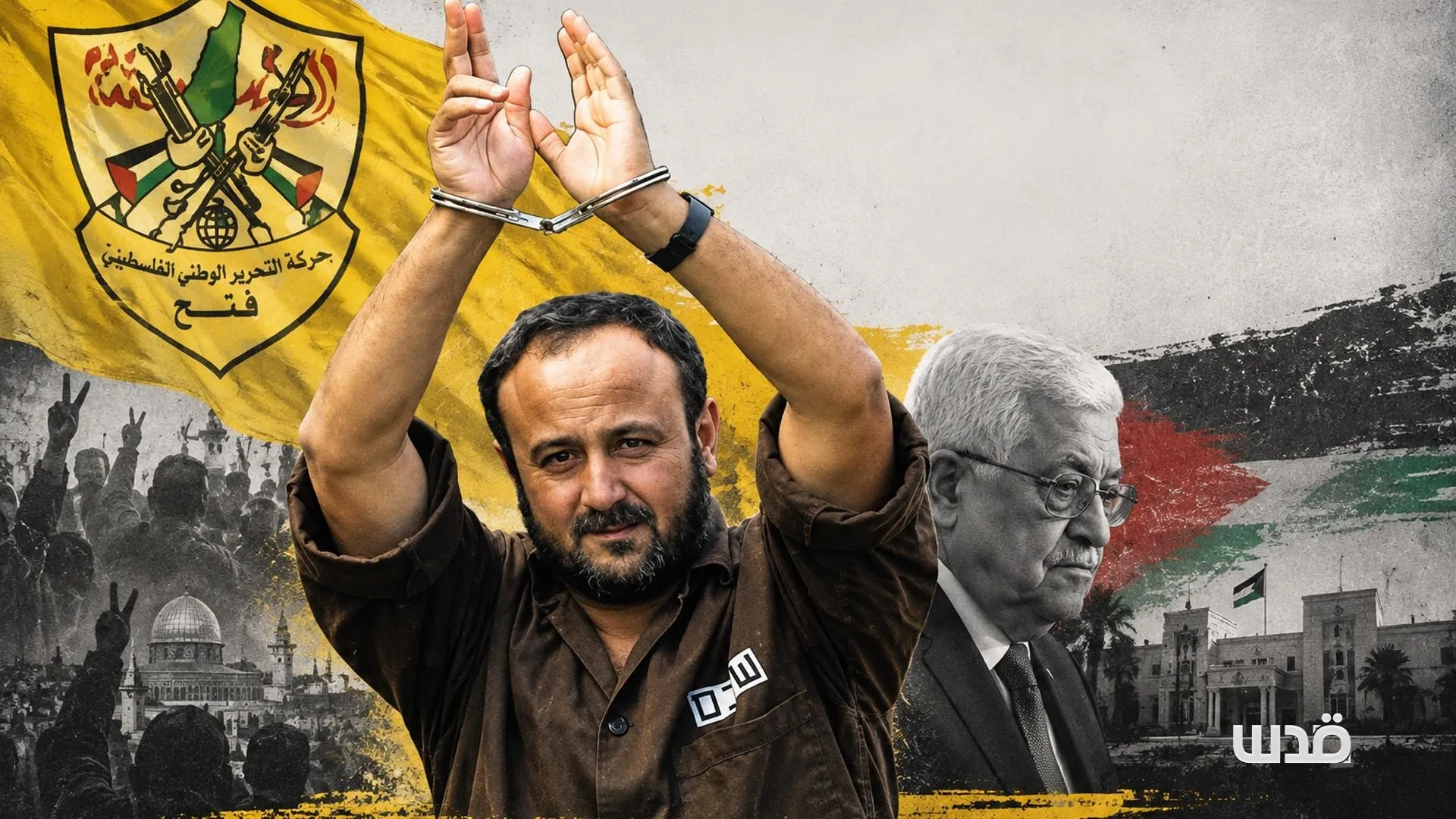
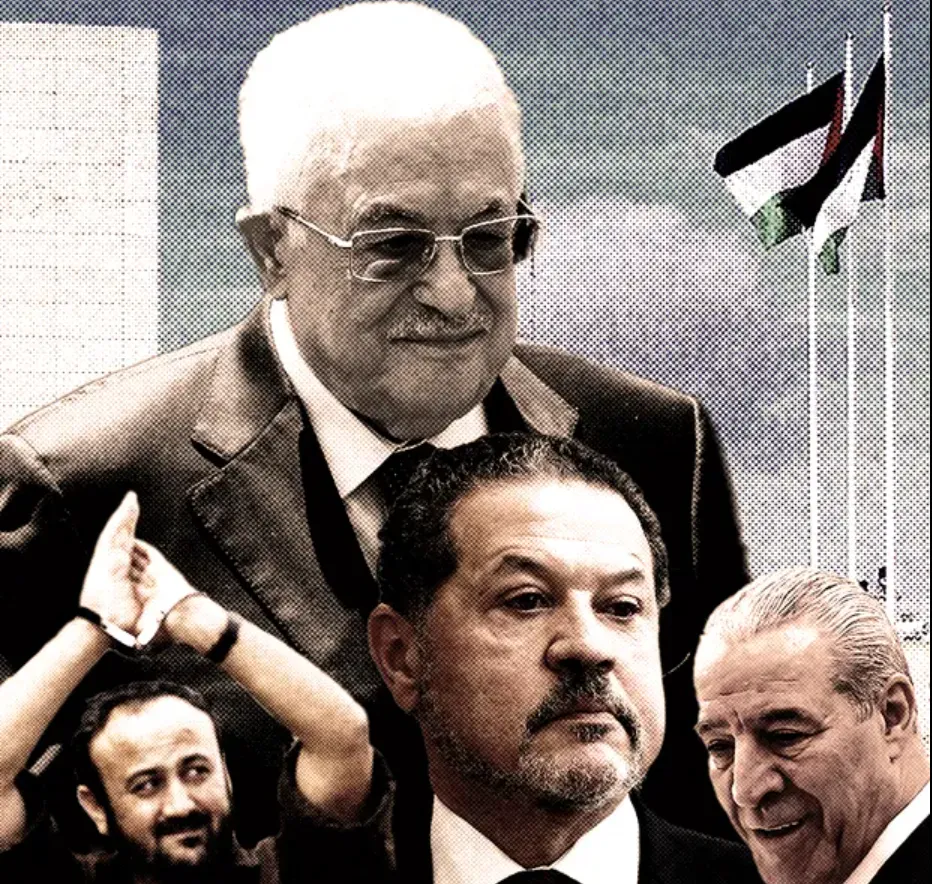
According to the sources, as the option of postponement is weighed, the Fatah movement is carrying out internal maneuvers to strengthen its position ahead of any vote. These include dialogues with figures close to the imprisoned Fatah leader Marwan Barghouti in an effort to draw the influential "Marwan current" into the fold. Fatah is also studying the addition of independent figures and PLO factions to its official list, among them the Palestinian Popular Struggle Front, the Arab Liberation Front, and the Palestine Liberation Front.
The reported deliberations confirm the concerns raised in recent days, as Palestinian opposition forces moved toward an unprecedented show of unity. A source told Quds News Network earlier this week that Palestinian factions and independents, including Hamas, Islamic Jihad, the Popular Front for the Liberation of Palestine, the Democratic Front, the Popular Resistance Committees, and the reformist current in Fatah associated with Mohammed Dahlan, had reached a broad consensus to contest the elections on a single unified national list. The forces agreed to move beyond factional quota-sharing, to build a shared political program, and to settle their positions by August 25, with Islamic Jihad deciding to take part in legislative elections for the first time in its history.
That convergence unsettled the calculations of Abbas and his movement, raising the prospect of a serious electoral challenge to his weakened authority. Polling has consistently shown the Palestinian public turning against the Authority's leadership, with a hypothetical presidential race giving the imprisoned Marwan Barghouti a commanding lead and placing Abbas a distant third, while more Palestinians see Hamas as more deserving to lead than Abbas's Fatah. The readiness of opposition forces to participate rather than boycott upended the assumption that the vote would proceed without a united challenge to Fatah's dominance.
Publicly, the Authority's leadership has insisted the elections will go ahead. Abbas's deputy Hussein al-Sheikh said yesterday that there was no going back on the legislative elections, and that internal factional disputes should not become a pretext to delay or cancel the vote. He said Fatah would run on a single list under its own name, and claimed that Hamas could not run under its own name because of what it had signed in the Board of Peace agreement and the administrative committee for Gaza that emerged from it. The gap between those public assurances and the private deliberations now reported by Quds News Network points to a leadership publicly committing to a vote it may be preparing to postpone.
The Jerusalem pretext carries a heavy precedent. In 2021, Abbas called off Palestinian elections at the last moment, citing Israel's refusal to permit voting in occupied Jerusalem, in a decision widely seen as a way to avoid a ballot his faction was poised to lose. Critics warned at the time, and warn again now, that the unresolved question of voting in occupied Jerusalem, amid Israeli rejection, offers a ready-made justification for a leadership reluctant to face the electorate. With Abbas having issued the decree for legislative elections on November 28 unilaterally, and having separated the legislative vote from the presidential one, the reported study of a postponement suggests the same scenario may be taking shape again.